- Asana Practice -
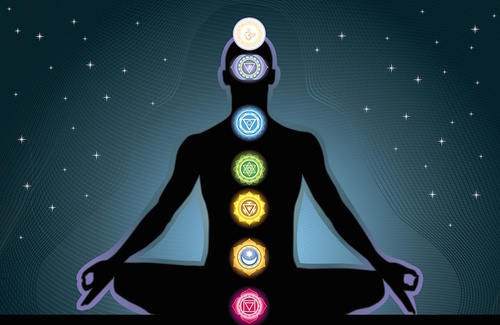
The practice of asanas can help us align the energy of our chakras.
In a previous article, main definitions of chakras and various symbols and mantras were explained; keep those in mind when practicing the asanas, so that you bring a real meditative and hence conscious state to your practice.
Following, a list of asanas related to the Mooladhara chakra and some guidelines you can feel free to follow or not, that you can add to your daily yoga session.
Before the practice of asanas it is better to warm up the body with some basic movements of the toes, ankles, knees, hips, back arms and neck to avoid any injury.
If you have never practiced yoga, start from the beginners variations and practice very carefully. You will improve.
If you have any disease like high or low blood pressure, heart issues, if you suffer from diabetes, if you have problems with your joints (sciatica, knee problems) or any other major health problem, please consult your physician and practice very carefully. Yoga can improve your health state, as long as you practice carefully, mindfully and consciously. Remember that most of the yoga is done with your mind.
If you're fit, you can practice Surya Namaskar as a warm up before you practice the asanas.
I usually like to practice in silence, but sometimes I find useful to listen to music with frequencies related to a specific chakra. There are many youtube videos and other resources online to be enjoyed in this sense and you may want to practice with the music in background).
Practice mindfully and avoid forcing yourself too much. For every pose there are many variations that can adapt to everyone. You adapt to your practice, as your practice adapts to you and viceversa
Before the practice of asanas it is better to warm up the body with some basic movements of the toes, ankles, knees, hips, back arms and neck to avoid any injury.
If you have never practiced yoga, start from the beginners variations and practice very carefully. You will improve.
If you have any disease like high or low blood pressure, heart issues, if you suffer from diabetes, if you have problems with your joints (sciatica, knee problems) or any other major health problem, please consult your physician and practice very carefully. Yoga can improve your health state, as long as you practice carefully, mindfully and consciously. Remember that most of the yoga is done with your mind.
If you're fit, you can practice Surya Namaskar as a warm up before you practice the asanas.
I usually like to practice in silence, but sometimes I find useful to listen to music with frequencies related to a specific chakra. There are many youtube videos and other resources online to be enjoyed in this sense and you may want to practice with the music in background).
Practice mindfully and avoid forcing yourself too much. For every pose there are many variations that can adapt to everyone. You adapt to your practice, as your practice adapts to you and viceversa
Mooladhara

Meditate on:
Root Center. First chakra, located at the end of the spine. Focus at the end of the spine. Focus on your legs. Deep red lotus flower with 4 petals.
The sleeping Kundalini snake all coiled.
The sleeping Kundalini snake all coiled.
LAM.
The earth element. I feel connected to the Earth; I come from the Earth.
ASANAS:
At body level, the asana practice for the mooladhara chakra will be focused on feet, legs, hips and lower back, as well as the large intestine: our root region.
At body level, the asana practice for the mooladhara chakra will be focused on feet, legs, hips and lower back, as well as the large intestine: our root region.
- Beginners -
Tadasana and Tiryaka Tadasana (Palm tree and swaying palm tree pose)
Stand on your feet, you might have them touching the big toes or opened about 10 - 15 cm wide. Feel very grounded with your feet as you adjust the position of your pelvis and lower back to be as straight as possible as you lenghten your spine. Breathe deeply. Keep the knees straight, arms and hands opened looking forward or relaxed on the side of the body.
Raise your arms up over the head, interlock the fingers and turn the palms upward. Inhale, stretch up arms, shoulder and chest while coming on your toes; stretch the whole body from top to bottom. Hold the position and the breath for a few seconds, without losing balanceor moving the feet. As you exhale, lower the heels and bring the hands on the top of the head.
Variation: inhale and raise as for the previos asana, exhale bend to the right side from the waist. Be careful not to bend forward or backwards or twist the trunk. Hold the position while exhaling, inhale and come back slowly to the upright position. Repeat on the left side.
Namaskarasana (Salutation pose)
It is basically a squat position.
Squat with the feet flat on the floor about 40 - 60 cm opened. Knees should be far apart. Place your elbows between the knees and press slightly on the knees to find balance.
Bring the hands together in prayer position in front of the chest.
Inhale and slightly bend the head backwards.
Use your elbows to push the knees as wide as possible. Hold 3 seconds while holding the breath.
Exhale, lower your head and straighten the arms forward, while pushing inwards with the knees pressing on the upper arms. Press your chin against your chest.
Return to the stating position and repeat.
Kashtha Takshanasana (Chopping wood pose) - easy variation
Squat with the feet opened, flat on the floor; knees completely bent and well separated. Interlace the fingers of the hands together and place them in front of you, between the feet on the floor. Arms completely straight, elbows should touch the knees.
Straighten the arms up over and behind the head, keep them straight during the practice. Spine straight pointing upwards. Look up towards the hands then, imagine the action of chopping wood and make a downward stroke with the arms and simultaneosly exhale making a HA! sound. Make your spine round while exhaling. You can stretch the legs upand then bend the knees down while doing the stroke movement. Return to the starting position. Repeat.
Balasana or Garbhasana (Child's pose)
Sit in Vajrasana, make yourself comfortable while slightly opening the knees. Keep the big toes in touch. Exhale and bend the trunk forward. Your arms can be stretched forward, but make sure your elbows touch the floor, or relaxed by the side of your legs. Your buttocks should touch the heels.
Arms and forehead should touch the floor; the ideal position is when the back is equally rounded and relaxed.
Ardha Pawanuktasana and Pawanmuktasana (Wind release pose)
Lie down on your back, legs stretched, hands in touch with the ground.
Bend the right knee and bring the thigh to the chest. Embrace your knee and hold it with your hands. Hold the position, keeping the left leg straight on the floor.
You can keep this position and relax while enjoying the belly massage of the thigh or inhale deeply and as you slowly exhale raise the head and the shoulders off the ground, bringing the knee to the nose. Breath normally in this position. To exit from Ardha Pawanmuktasana, exhale and lower your shoulders and head back to the ground. Repeat on the left side.
To practice Pawanmuktasana, follow the same steps with both legs together at the same time.
Sukhasana (Easy cross legged pose)
Sit with the legs straight in front of the body. Bend one leg and place the foot under the opposite thigh. Bend the other lega and place the foot under the opposite thigh.
This is one of the most comfortable poses for meditation!
- Intermediate/Advanced -
Pada Prasar Paschimottanasana (Forward bend with legs wide)
Sit with the legs as wide apart as possible, hands in front of the body on the floor.
Inhale deeply and while exhaling, bend slowly forward with your trunk.
Hands can be placed on the floor depending on how much you can bend, or you can grasp the big toes with the fingers.
In the ideal position, forehead, chest, abdomen and pelvic region are on the floor.Var.: sit with the legs as wide apart as possible, turn the trunk to the right and bend forward.
Bend as much as you can, possibly the elbows touch the floor and the nose touches the knee.
As you inhale raise up. Repeat for the left side.
Sit with the legs as wide apart as possible, hands in front of the body on the floor.
Inhale deeply and while exhaling, bend slowly forward with your trunk.
Hands can be placed on the floor depending on how much you can bend, or you can grasp the big toes with the fingers.
In the ideal position, forehead, chest, abdomen and pelvic region are on the floor.Var.: sit with the legs as wide apart as possible, turn the trunk to the right and bend forward.
Bend as much as you can, possibly the elbows touch the floor and the nose touches the knee.
As you inhale raise up. Repeat for the left side.
Ardha Hanumanasana and Hanumanasana (Hanuman's pose)
Sit in Vajrasana. Stand on the knees and stretch the right leg to the front. You may can find comfortable to place a cushion or a block under your pelvis area.
Place the hands on the floor on either side of the right foot to balance; very gently slide the right foot forward and start stretching the left leg backwards. Your pelvis and both legs are on the floor in the ideal pose.
Close your eyes and place your hands in prayer position. Return to the starting position and repeat on the other side.
Samatvam Asana (The tiptoe pose or the pose of equanimity) - balancing pose
Start in Vajrasana, tuck the toes on one side. Lift one leg and put the foot on the opposite thigh. Balance, and raise the trunk until the spine is straight. Arms can be opened on the side to balance or joined in Pranama Mudra (hands prayer pose). Repeat on the other side.
Garudasana (Eagle pose) - balancing pose
Stand in Tadasana. Focus the gaze on a fixed spot. Raise your right leg and balance on the left leg as you gently bend your knee. Bend the right leg and twist it around the left leg.
Raise your arms and bend the elbows, place the left arm at the center and twist the right arm around. Palms of the hands should touch. Balance in the position, and if you can, lower your pelvis down as if you wanted to sit.
To come out of the posture, untwist your arms and legs and return to Tadasana.
Practice on the other side.
Utthita Hasta Padanghustasana (Raised hand to big toe pose)
Stand in Tadasana. Relax the whole bodyand focus the gaze on a fixed point.
Bend and raise the right knee, bringing the thigh to the chest, while you grab your big toe with your right fingers. Straighten the right leg first in front of the body, raise your left arm to balance; you can open the right leg to the right side if you balance to give a stretch to the hips.
Repeat on the left side.
Padmasana (lotus pose)
Sit with legs straight in front of your body. Slowly and carefully bend one leg and place the foot on the top of the opposite thigh, sole up, heel close to the pubic bone.
Bend the other leg and place the foot on top of the opposite thigh. Both knees should ideally touch the floor. Keep the spine straight, shoulders relaxed. Youcan move forward and backwards until you find balance and alignment.
Focusing your yogic practice on Mooladhara can help you awake and rise the Kundalini Shakti, the source of all energy.
Next post will be on Swadhishtana Chakra. Please practice mindfully and do not push yourself too much.
Namasté.